

















Site work coordinated from the ground up.
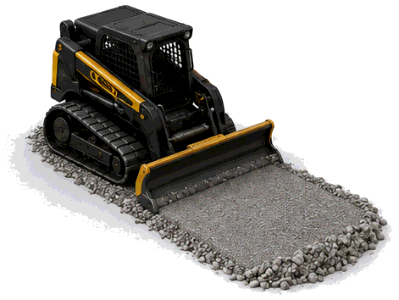
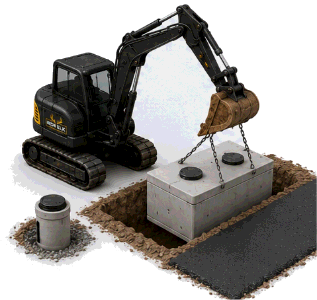
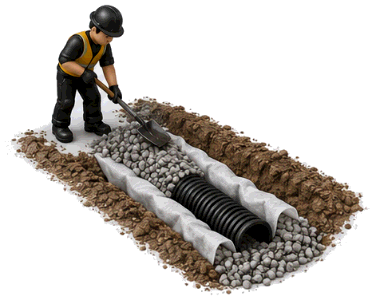
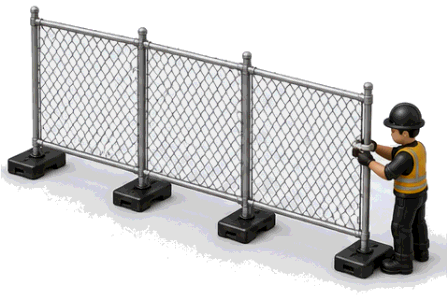
Iron Elk coordinates excavation, grading, drainage, driveways, pads, concrete handling, temporary fencing and the clearing or hauling around the work.

Job at a glance
Work included
Excavation, grading, drainage, driveways, pads, concrete handling and temporary fencing to the desired finish, with the clearing and hauling around the work. Installation work by specialty contractors is identified separately.
Access and preparation
The intended finished condition, ground and spoil boundaries, utilities and drainage, elevations and equipment access.
What shapes the quote
Soil and drainage conditions, depth and material quantities, equipment, permits and hauling; larger scopes usually require a walkthrough.
Service examples
What the work can look like


Start with the result
Describe what the site must do when the work is finished: drain correctly, support a driveway, receive a structure, restore access or prepare for the next trade.
One schedule around the site
Clearing, excavation, material delivery, debris removal and final cleanup are planned in the correct sequence.
Specialty work handled correctly
When site work requires a specialty contractor, Iron Elk confirms the operator and credentials before scheduling.
Planning the job
Choose the work that solves the site problem
- A property project can begin with a practical frustration: delivery vehicles cannot reach the work area, gravel keeps moving to the bottom of the drive, or a new structure needs a usable place to sit.
- Drainage addresses the path water takes through the property; grading changes the shape of the surface.
- A new pad may need access from a drive that also serves the house.
- Those connections help define a useful project boundary.
Make room for the work around the work
- Equipment access, material deliveries and temporary stockpiles all need space.
- A location that suits the finished project may still require a separate approach during construction.
- Plan where vehicles can pass, which gates must remain available and what parts of the property should stay outside the work area.
- Iron Elk coordinates these supporting tasks with the responsible professionals so each phase has the access and space it needs.
Define the handoff to the next phase
- A site can be ready for a contractor without being finished for everyday use.
- The written scope should describe the intended surface, the areas affected and what happens to remaining material.
- This is especially useful when work is phased: complete the access or drainage needed now, while leaving room for the later installation.




Also handled here
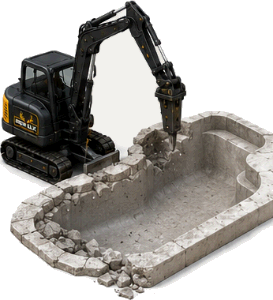
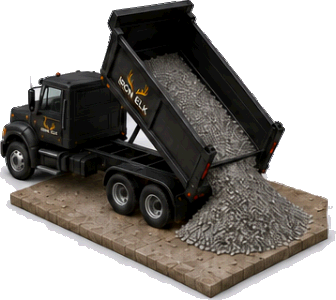

Before and after: Grading And Driveways


THE PROCESS
How the job runs.
- 01
Send the site details
The address, the result you need and the access.
- 02
Confirm the scope
Iron Elk confirms permits, utilities, material and the licensed operator.
- 03
Schedule the work
A window for the equipment and the trades.
- 04
Build and close out
Work completed to spec, site restored.
Enter the job-site ZIP once. We’ll carry it into the quote.
Frequently asked questions
What about septic, wells, or paving?
Yes, through the same request. When a task requires a licensed professional, credentials are confirmed before scheduling, and Iron Elk coordinates the overall scope.
What does a site-work job include?
Clearing, debris, hauling, containers, and the machine work: grading, excavation, and compaction, on one schedule.
Is a driveway repair too small?
No. Small grading and gravel jobs fill the schedule between big ones.
Related: Land Clearing, Demolition and Removal. Full pricing: See all pricing.
Request a quote
One form, a few questions about the job, and a callback usually the same business day, inside business hours.
Monday to Saturday, 8:00 AM to 7:00 PM
Text (443) 941-0887Call (443) 941-0887
Requests received during business hours are usually answered the same business day.
Insured work. Licensed professionals where required. Clear written scope.